The Dirty Secret of Vintage Watch Provenance: Why Documentation Matters More Than Ever
There is a story that circulates in the back rooms of Geneva auction houses, told with the resigned humor of people who have seen too much. A collector, having spent six figures on a vintage Rolex Daytona at a reputable dealer, sends it to Rolex for service. The watch comes back with a polite but devastating note: the dial is not original. The case back has been replaced. The movement, while genuine, belongs to a different reference entirely. The collector's prized possession is, in the clinical parlance of the trade, a "frankenwatch" -- a timepiece assembled from the parts of multiple watches, none of which belong together. His six-figure investment is now worth a fraction of what he paid. And the worst part? The dealer who sold it to him may not have known either.
This is not an isolated incident. It is the dirty secret of the vintage watch market, and it is far more pervasive than most collectors realize. As values for collectible references have surged over the past decade -- with certain Rolex Daytonas, Omega Speedmasters, and Patek Philippe perpetual calendars appreciating by multiples of five or ten -- the financial incentive for fraud has grown proportionally. The result is a market where the provenance of a vintage watch has become not just important, but existential.
The Anatomy of a Frankenwatch
The term "frankenwatch" refers to any timepiece assembled from components that did not originally belong together. At its most benign, this might mean a watch fitted with a replacement crown or crystal during a legitimate service decades ago. At its most egregious, it means a watch where the dial, hands, case, movement, and bracelet each came from different donors, carefully assembled to create the appearance of a valuable reference that never existed in its current form.
The economics are straightforward. A genuine Rolex Submariner Reference 5513 from the 1960s with its original "gilt" dial might sell for $25,000 to $40,000 at auction. But the individual components -- a case here, a movement there, a refinished dial from a specialist in Southeast Asia -- might be sourced for a combined total of $5,000 to $8,000. The profit margin is enormous, and the barriers to entry are distressingly low. All it takes is a competent watchmaker, a supply of donor parts, and a willingness to deceive.
The problem is compounded by the fact that even honest dealers can be fooled. Vintage watches have changed hands dozens of times over their lifetimes. Each owner, each watchmaker, each service center has had the opportunity to introduce non-original parts. A caseback swapped during a 1970s service because the original was damaged. A dial replaced in the 1980s because the original had deteriorated. Hands changed because the luminous material had degraded. Over time, these incremental changes can render a watch almost entirely non-original, even though each individual repair was conducted in good faith.
The Paul Newman Daytona Saga
No discussion of vintage watch authentication would be complete without the case of the so-called "Paul Newman" Rolex Daytona. The exotic-dial variants of the Rolex Cosmograph Daytona -- characterized by their contrasting subsidiary dials, Art Deco-influenced numerals, and hash-mark minute track -- were nicknamed "Paul Newman" dials after the actor was photographed wearing one in the early 1970s. For decades, these dials languished in relative obscurity. As recently as the early 2000s, a Paul Newman Daytona could be acquired for $10,000 to $30,000.
Then the market discovered them. By 2017, when Paul Newman's own personal Rolex Daytona Reference 6239 sold at Phillips for a record-shattering $17.75 million, exotic-dial Daytonas had become the most coveted vintage watches on earth. And with that surge in value came an equally dramatic surge in fakes.
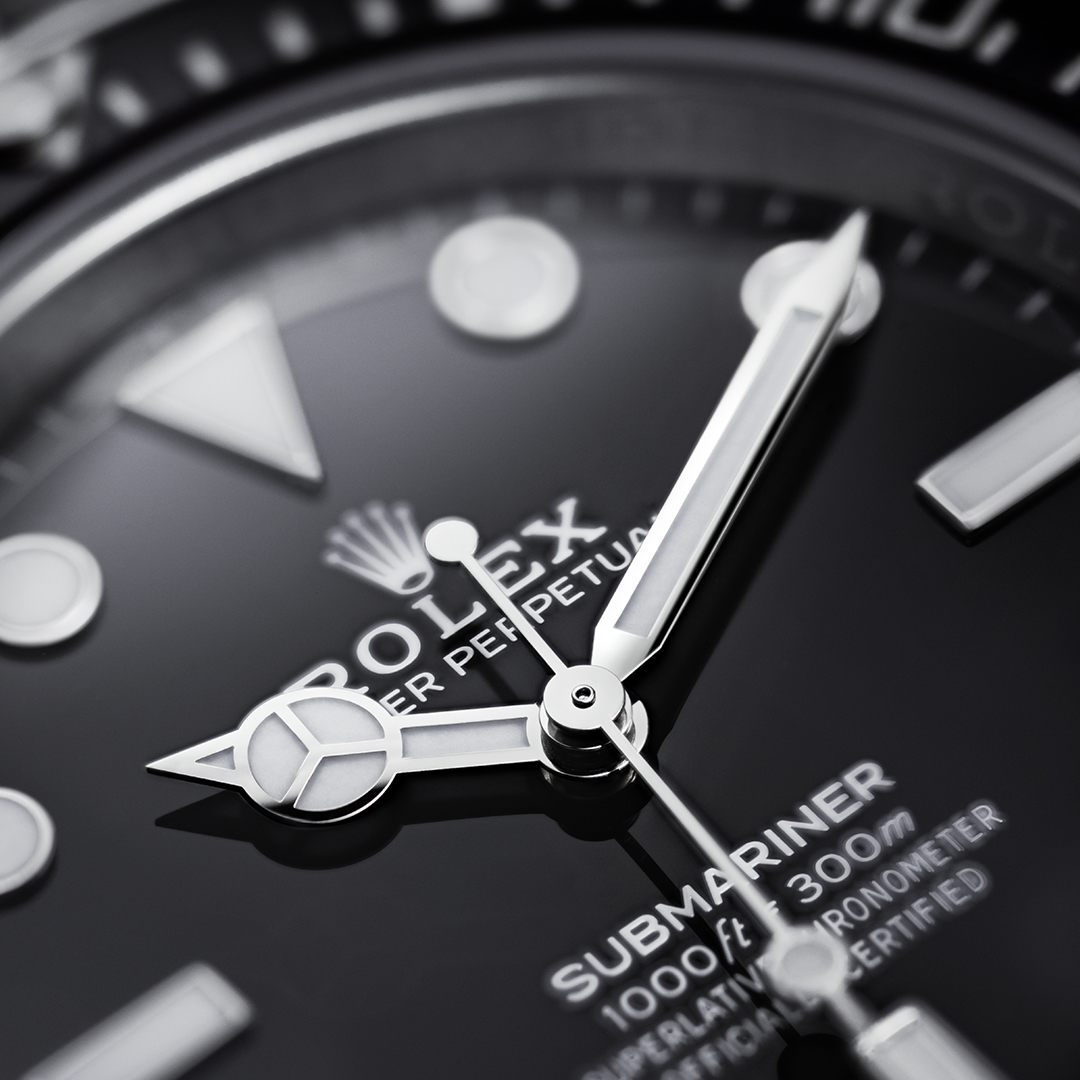
The forgery techniques are sophisticated. Counterfeiters have learned to artificially age modern reproduction dials using UV exposure, chemical treatments, and careful abrasion to replicate the patina of a forty-year-old original. Some use genuine Rolex dials from less valuable references, modifying them to resemble the exotic Paul Newman configuration. The best forgeries can fool experienced dealers -- at least initially. Authentication now requires not just visual inspection but spectrographic analysis of the luminous material, microscopic examination of printing techniques, and comparison against databases of known genuine examples. Phillips, Christie's, and Sotheby's have each invested heavily in in-house authentication capabilities, and yet controversies still arise.
In 2019, a Paul Newman Daytona that had been sold by a major auction house was subsequently questioned by independent authenticators who identified inconsistencies in the dial printing. The ensuing debate -- conducted publicly on forums like RolexForums and in the pages of specialist publications -- underscored a troubling reality: even the most prestigious auction houses, with their teams of specialists and multi-step verification processes, cannot guarantee authenticity with absolute certainty.
The Tropical Dial Problem
Perhaps no area of vintage watch collecting better illustrates the authentication crisis than the phenomenon of "tropical" dials. A tropical dial is one that has changed color over time due to UV exposure, chemical reactions in the paint, or degradation of the lacquer. A black dial that has faded to a warm chocolate brown, or a white dial that has developed a creamy ivory tone, is described as having "gone tropical." These naturally aged dials are prized by collectors for their unique character and beauty, commanding substantial premiums over watches with dials that have retained their original color.
The problem is obvious: if a faded, discolored dial is worth more than a pristine one, the incentive to artificially age dials is irresistible. And indeed, the market is now flooded with "tropical" dials that were created not by decades of natural aging but by hours of deliberate chemical treatment. The techniques have become so refined that even experienced collectors struggle to distinguish genuine tropical aging from artificial manipulation. Some forgers have reportedly used combinations of hydrogen peroxide baths and controlled UV exposure to create patina that closely mimics natural aging patterns.
The same problem afflicts vintage Omega Speedmaster dials. The Speedmaster Professional, NASA's flight-qualified chronograph, has seen explosive collector interest driven by its association with the Apollo program. Early references -- particularly the CK 2998, the 105.003 "Ed White," and the 105.012 "pre-Moon" -- command extraordinary prices when found with original dials. But the supply of genuine early Speedmaster dials is finite and dwindling. Into this vacuum have stepped forgers who produce remarkably convincing reproduction dials, complete with artificially aged luminous plots and carefully replicated printing. The watchmaker community estimates that as many as 30 to 40 percent of supposedly original Speedmaster dials on the secondary market may be replacements or refinished examples.
The Documentation Gap
The authentication crisis is made worse by a historical documentation gap. For most of the twentieth century, watch manufacturers did not provide the extensive documentation that accompanies a modern luxury purchase. A buyer in 1965 might receive a warranty card, a simple instruction booklet, and the original box. Service records, if they existed at all, were kept by the service center -- not the owner. When the owner changed, the records stayed behind, and a crucial piece of the watch's history was lost forever.
Even today, the documentation practices of major manufacturers vary widely. Rolex issues a warranty card with a serial number, but the card is not linked to a comprehensive digital record. Patek Philippe maintains an extract from the archives service, where owners can request a document confirming the original specifications of their watch as it left the factory. This is valuable, but it only tells you what the watch was when it was new -- not what has happened to it since. Omega offers a similar archive service for vintage Speedmasters. But none of these services provide a continuous, tamper-resistant record of the watch's life from manufacture to present.
This is where the auction houses have led by necessity. Christie's, Phillips, and Sotheby's have developed increasingly rigorous authentication and documentation protocols, not out of altruism but out of self-preservation. A single high-profile authentication failure can devastate a house's reputation and invite ruinous litigation. Phillips' watch department, under the leadership of Aurel Bacs, has been particularly aggressive in establishing authentication standards, employing dedicated specialists and commissioning independent expert opinions before offering significant lots. But auction houses see only a fraction of the watches that change hands. The vast majority of vintage watch transactions occur privately, through dealers, online platforms, and collector-to-collector sales, where authentication standards are inconsistent at best.
The Digital Provenance Revolution
The solution to the vintage watch provenance crisis will not come from better magnifying glasses or more sophisticated chemical analysis, though these tools remain essential. It will come from a fundamental rethinking of how provenance information is created, stored, and transmitted across the lifetime of a watch.
Digital provenance platforms represent the most promising development in this space. By creating a continuous, timestamped, verifiable record that accompanies a watch from the moment of its first documentation forward, these platforms address the core vulnerability of the current system: the fact that provenance information is fragmented, easily lost, and difficult to verify.
The principles are straightforward. Every significant event in a watch's life -- purchase, service, authentication, change of ownership, condition assessment -- is recorded as a discrete, timestamped entry. Photographs and documents are attached and preserved. The result is a living provenance record that grows richer over time, providing each successive owner with a comprehensive view of the watch's history.
At Provenary, we are building exactly this kind of infrastructure. Our digital provenance passports are designed to solve the documentation gap that makes fraud possible. When every service, every authentication, and every ownership transition is recorded in an immutable, verifiable digital record, the frankenwatch problem becomes dramatically harder to sustain. A watch with a complete Provenary record -- showing consistent serial numbers, documented service history, and verified ownership chain -- provides a level of assurance that no paper warranty card ever could.
What Collectors Can Do Today
While the industry works toward comprehensive digital provenance solutions, individual collectors can take immediate steps to protect themselves and their collections:
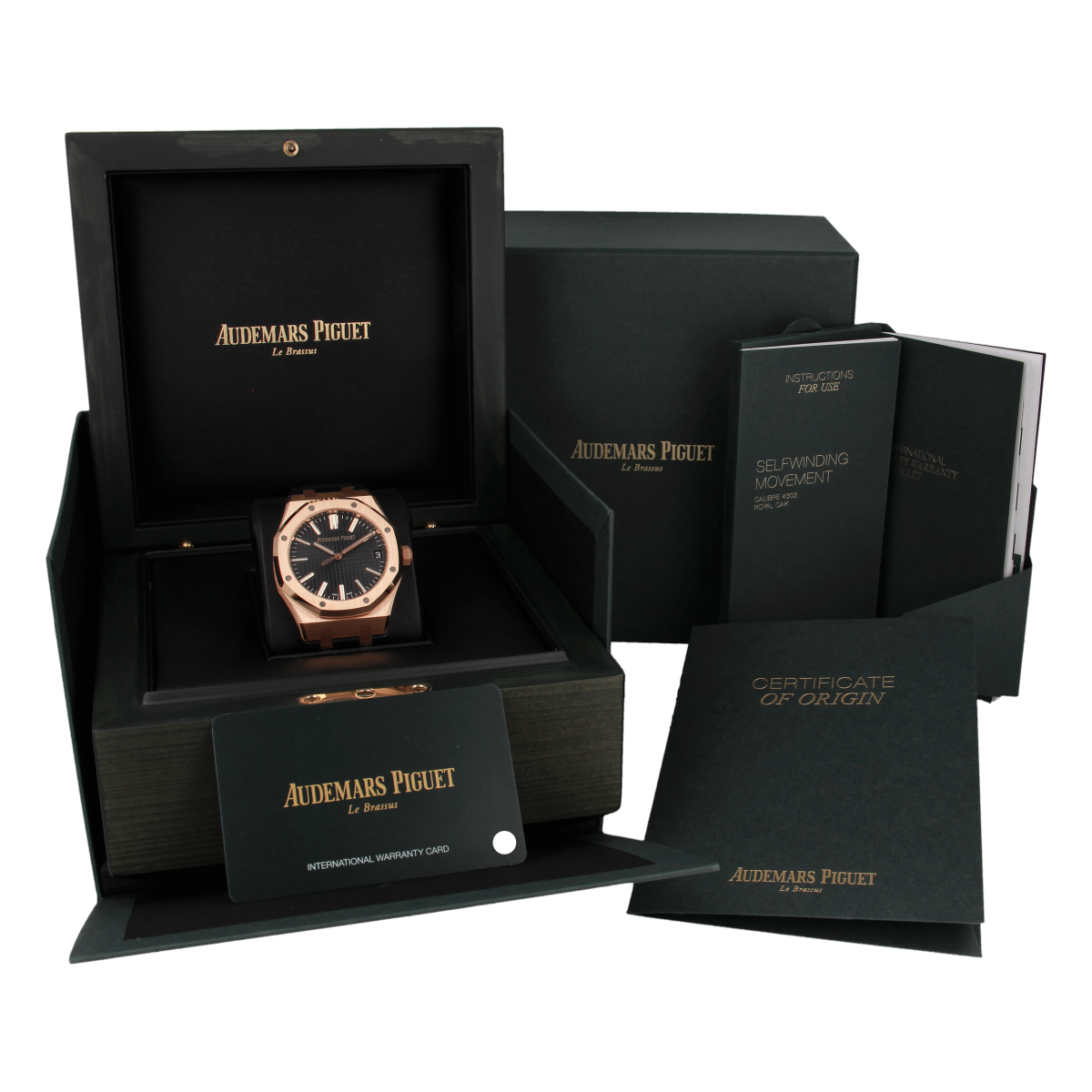
Demand documentation at every stage. When purchasing a vintage watch, insist on seeing all available paperwork -- original box and papers, service receipts, previous auction records. The absence of documentation is not neutral; it is a risk factor that should be reflected in the price you are willing to pay.
Commission independent authentication. Before any significant vintage purchase, have the watch examined by an independent expert -- not the seller's watchmaker. Services like those offered by Davidoff Brothers in Geneva, or specialists like Eric Wind and Jeff Stein in the United States, provide expert authentication opinions that can identify problems invisible to the untrained eye.
Build your own provenance record. From the moment you acquire a watch, begin documenting it systematically. Photograph it from every angle. Record the serial and case numbers. Keep every service receipt. Note every time you wear it on a significant occasion. This information compounds in value over time, and platforms like Provenary make it effortless to maintain.
Be skeptical of deals that seem too good. A genuine Paul Newman Daytona will never be cheap. A "tropical" dial Submariner offered at a suspiciously low price has almost certainly been artificially aged. The vintage watch market rewards knowledge and punishes impatience. Take the time to educate yourself before committing serious capital.
The vintage watch market is at an inflection point. The old model -- where provenance was a luxury and authentication was a matter of trust -- is breaking down under the weight of its own contradictions. The new model, built on digital provenance tracking, systematic documentation, and transparent verification, is still being constructed. Collectors who embrace it now will find themselves on the right side of history, with collections whose value is protected not just by the watches themselves, but by the unimpeachable records that accompany them.
The dirty secret of vintage watch provenance is not that fraud exists. It is that for too long, the industry accepted a system that made fraud inevitable. The future belongs to those who demand better.
The Provenary Editorial Team
Expert perspectives on the art and science of watch collecting, market analysis, and the stories behind the timepieces that define horological history.