Understanding Service Intervals: A Complete Guide
A mechanical watch is, at its core, a machine -- and like any machine, it requires periodic maintenance to perform at its best. Yet the question of when to service a watch remains one of the most debated topics in horology. Manufacturers generally recommend service intervals of three to five years for modern calibers, though this guidance varies significantly. Rolex, following the introduction of their Chronergy escapement, extended their recommended interval to ten years for movements like the Caliber 3235. Omega recommends every eight years for their co-axial movements. Patek Philippe suggests every three to five years, while independent watchmakers like F.P. Journe advise every five to seven years.
The truth is that these intervals are guidelines, not mandates. A watch worn daily in a demanding environment -- exposed to temperature extremes, moisture, and physical shock -- may need attention sooner. A dress watch worn only on special occasions may run beautifully for a decade without intervention. The key indicator is performance: if your watch begins losing or gaining more than a few seconds per day beyond its rated accuracy, or if the power reserve seems diminished, it is likely time for a service. Some collectors adopt a preventive approach, servicing on a fixed schedule regardless of performance. Others prefer to wait for symptoms. Both approaches have merit.
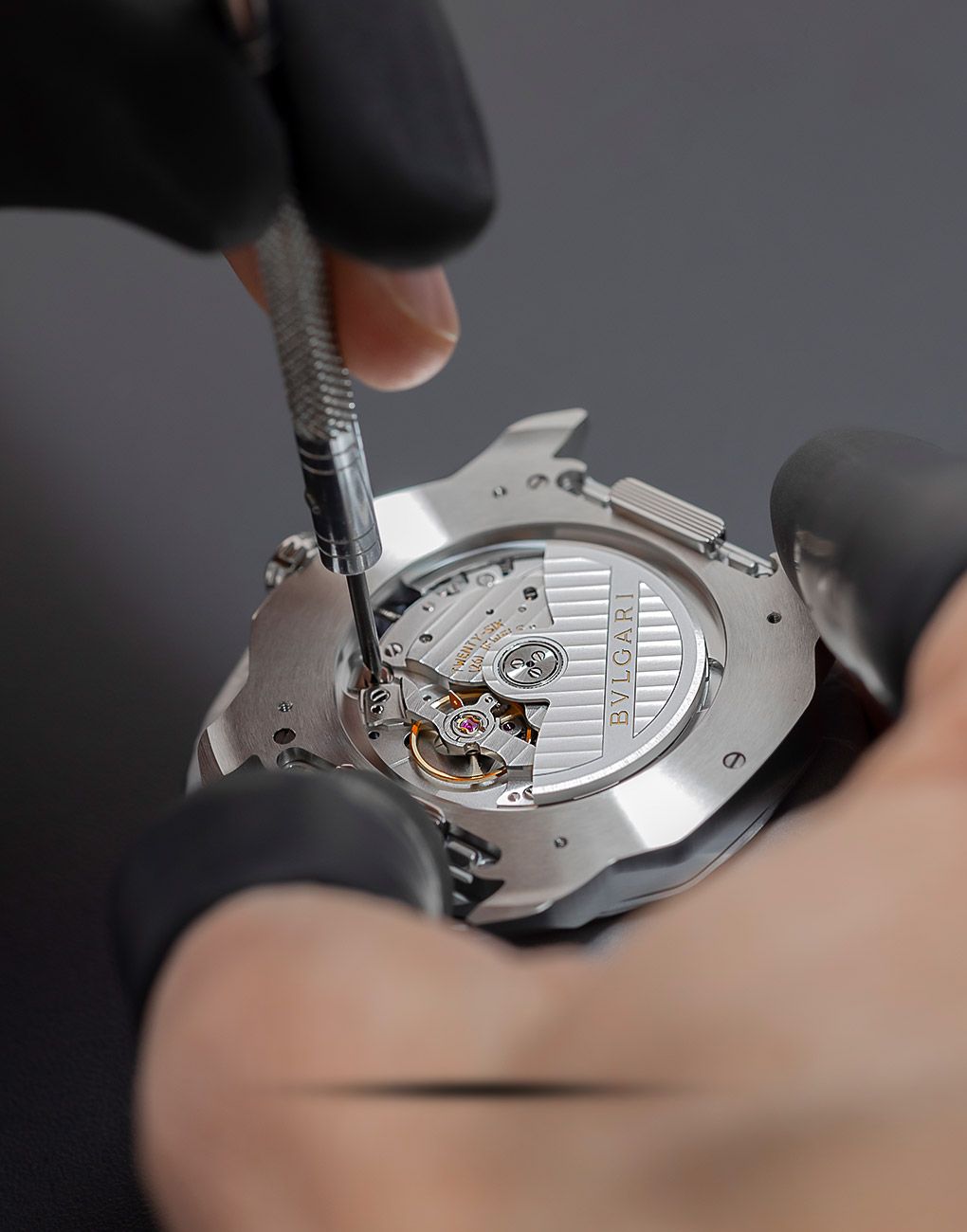
A complete service typically involves disassembly, ultrasonic cleaning of all components, replacement of worn parts (gaskets, mainspring, and sometimes the balance staff), lubrication with specialized oils, reassembly, regulation, and water resistance testing. For a standard three-hand movement, this process takes two to four weeks at an authorized service center. Complications add time and cost -- a perpetual calendar or minute repeater may require several months. The most important advice: always use authorized or factory-trained watchmakers. A poorly executed service can do more damage than years of neglect. Keep all service documentation, as a complete service history is one of the most valuable provenance elements when it comes time to sell or insure your timepiece.
The Provenary Editorial Team
Expert perspectives on the art and science of watch collecting, market analysis, and the stories behind the timepieces that define horological history.