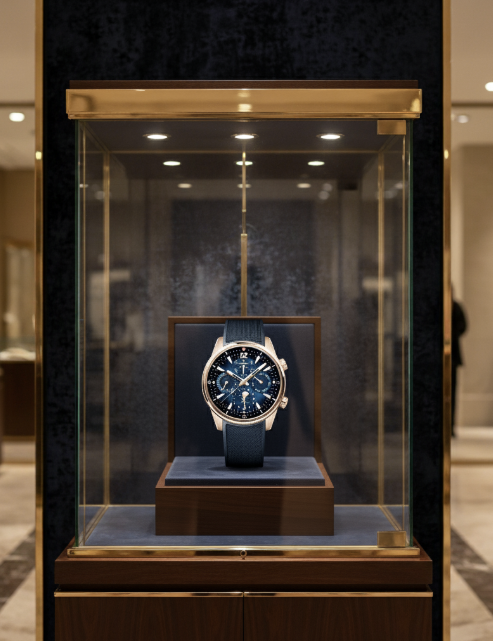
Your First Luxury Watch: What Nobody Tells You Before You Buy
So you have decided to buy your first luxury watch. Maybe you got a promotion. Maybe you hit a milestone birthday. Maybe you just fell down a YouTube rabbit hole at 2 a.m. and now you cannot stop thinking about a Rolex Submariner. Whatever brought you here, welcome. You are about to enter one of the most rewarding -- and occasionally bewildering -- hobbies on the planet. This guide is everything we wish someone had told us before we bought our first serious timepiece.
Before we dive in, a word of reassurance: there is no entrance exam for watch collecting. You do not need to know the difference between a tourbillon and a tortilla to buy a great watch. But a little knowledge goes a long way toward making sure you spend your money wisely, avoid common regrets, and actually enjoy the process. Think of this as the friend-who-knows-watches conversation you never had.
The "One Watch" Myth
Let us address the elephant in the room. You will hear people talk about finding their "one watch" -- the single, perfect timepiece that does everything and goes everywhere. It is a beautiful idea. It is also, for most people, a fantasy. The watch world is simply too rich and varied for one piece to scratch every itch. A rugged dive watch does not work with a tuxedo. An elegant dress watch looks out of place on a hiking trail. And that is perfectly fine.
Our advice? Buy your first watch for how you actually live right now, not for some imagined future version of yourself. If you wear jeans and a button-down to work, a sporty steel piece in the 39-42mm range will serve you beautifully. If you are in suits five days a week, consider something thinner and more restrained. The best first luxury watch is the one you will actually wear, not the one that looks most impressive in a display case.
Authorized Dealers vs. the Grey Market
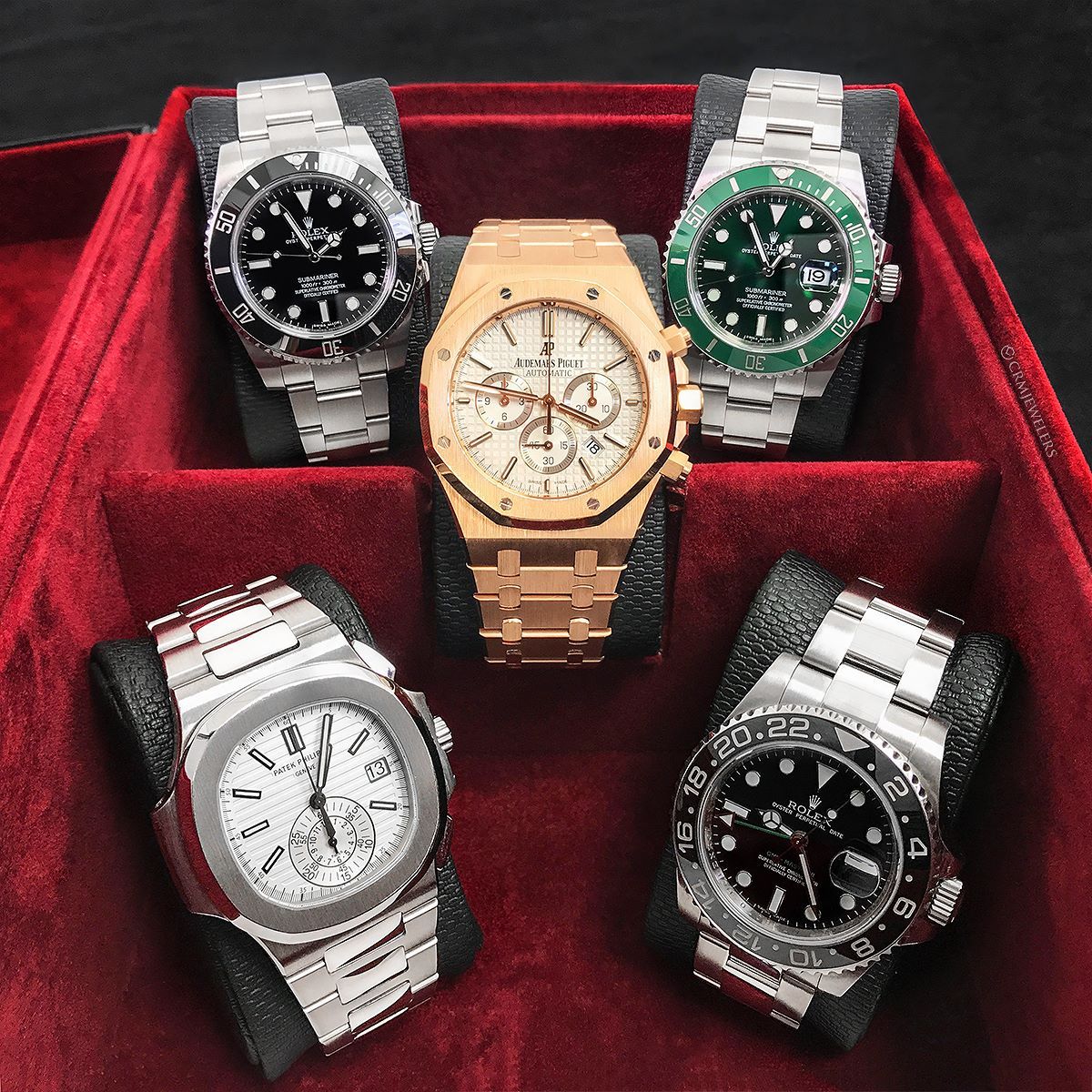
This is where things get interesting -- and where a lot of first-time buyers get confused. An authorized dealer (AD) is a retailer officially sanctioned by the brand to sell their watches. You get the full manufacturer warranty, the peace of mind of a guaranteed authentic product, and often a relationship that can pay dividends down the road (more on that in a moment). The downside? For in-demand models from brands like Rolex, Patek Philippe, and Audemars Piguet, you may face waiting lists that stretch months or even years.
The grey market refers to dealers who sell genuine, brand-new watches outside the official distribution network. They acquire their inventory through various channels -- sometimes from ADs offloading less popular models, sometimes from buyers who flip their allocations. Grey market prices can be significantly lower than retail for readily available models, or significantly higher for pieces with long wait lists. The watches are real, but the manufacturer warranty typically does not transfer. You will get the dealer's own warranty instead, which varies in quality.
So which should you choose?
For your first purchase, we lean toward an authorized dealer. The full warranty matters. The buying experience matters. And if you develop a relationship with a good AD, it can open doors to allocated pieces later. That said, if you have done your research and found a reputable grey market dealer with strong reviews and a solid return policy, the savings on readily available models can be substantial -- sometimes 20 to 30 percent below retail. Just make sure the watch comes with its full box, papers, and hangtags, and verify the serial number with the manufacturer if possible.
Understanding Movements: The Engine Inside
Every watch runs on a movement, sometimes called a caliber. There are three main types you will encounter, and understanding the basics will help you make a smarter decision.
Quartz movements are battery-powered and extremely accurate -- typically within a few seconds per month. They require minimal maintenance beyond a battery change every two to four years. Many luxury brands, including Grand Seiko and Breitling, make superb quartz watches. Do not let anyone tell you quartz is not "real" watchmaking. Grand Seiko's 9F quartz movement is a masterpiece of precision engineering.
Automatic (self-winding) movements are powered by the motion of your wrist. A weighted rotor inside the case spins as you move, winding the mainspring. This is what most people picture when they think of a luxury watch. They are mechanical marvels with dozens to hundreds of individual parts, and they carry a certain romance that quartz cannot replicate. The trade-off is accuracy -- a well-regulated automatic might gain or lose three to five seconds per day -- and they require periodic servicing (more on that shortly).
Manual-wind movements are the oldest type. You wind them yourself by turning the crown, typically once a day. Many collectors love the ritual of it -- that daily, tactile connection with the mechanism. Manual-wind watches tend to be thinner than automatics because they lack the self-winding rotor, making them popular for dress watches.
Which is right for you?
If you value grab-and-go convenience and pinpoint accuracy, quartz is a perfectly respectable choice. If you are drawn to the craft and tradition of mechanical watchmaking -- and you are comfortable with a watch that is not quartz-accurate -- an automatic is the classic entry point. Manual-wind is a matter of personal taste; some people find the daily ritual charming, others find it a chore.
The Sizing Trap
Here is a truth that will save you from one of the most common first-purchase regrets: watches almost always look bigger on your wrist than they do in photos or behind a display case glass. A 42mm watch that looks perfectly proportioned on a six-foot-two man with eight-inch wrists can overwhelm someone with a six-and-a-half-inch wrist.
The critical measurement is not just the case diameter (measured across the face) but the lug-to-lug distance -- the length of the watch from the tip of one lug (the horn-like protrusions where the strap attaches) to the other. If the lugs extend past the edges of your wrist, the watch is too big. Period. No amount of "I will get used to it" changes the proportions.
How to try on a watch properly
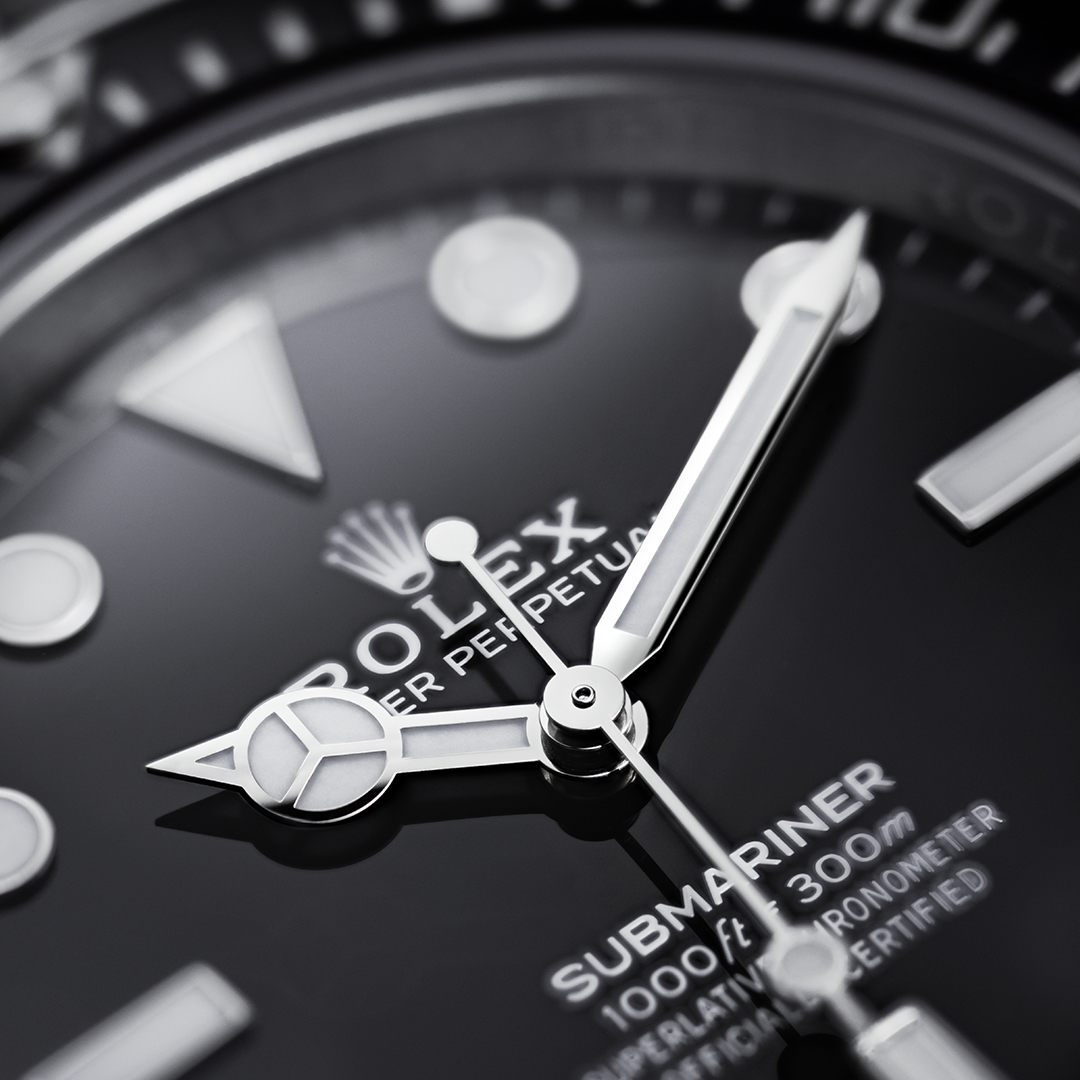
When you visit a dealer, do not just glance at the watch on your wrist. Wear it for at least ten minutes. Look at it from the side -- is it sitting too tall? Does it slide under a shirt cuff? Walk around with it. Check it in natural light, not just under the bright display lighting that makes everything sparkle. Take a photo with your phone, because a picture gives you a more objective perspective than the mirror in a boutique. And here is a tip from experienced collectors: try the watch on your actual wrist, not over your shirt cuff. It sounds obvious, but you would be surprised how many people skip this step.
For most people, the sweet spot for a first luxury watch falls between 36mm and 41mm. The trend toward smaller, more classically proportioned watches is real and welcome. A Tudor Black Bay 58, at 39mm, wears beautifully on nearly any wrist. An Omega Speedmaster Reduced at 38.6mm is another universally flattering size.
The Costs Nobody Mentions
The sticker price of a luxury watch is not the whole story. Not even close. Here are the ongoing costs that catch first-time buyers off guard.
Servicing
A mechanical watch needs a full service every five to ten years, depending on the manufacturer and how you wear it. This involves complete disassembly, cleaning, lubrication, regulation, and reassembly. For a basic three-hand watch from a major Swiss brand, expect to pay $500 to $1,000 at an authorized service center. For a chronograph, budget $800 to $1,500. Complications like perpetual calendars or minute repeaters? You are looking at $2,000 to $5,000 or more. Rolex servicing, done through their official network, typically runs around $800 to $1,000 for a standard model and takes six to eight weeks.
These are not optional costs. Skipping servicing is like never changing the oil in your car. It will run fine for a while, then it will not.
Insurance
Your homeowner's or renter's policy may cover a watch up to a certain value, but if you are buying a timepiece worth $5,000 or more, dedicated watch insurance is worth considering. Specialty providers like Hodinkee Insurance or Jewelers Mutual offer policies specifically designed for watch collectors, typically at one to two percent of the watch's appraised value per year. A $10,000 watch might cost $100 to $200 per year to insure against theft, loss, and accidental damage.
Accessories
A watch box or case for storage, a travel roll, perhaps a watch winder if you own an automatic you do not wear daily -- these add up. You can spend modestly (a good travel case for $50 to $100) or extravagantly (a Swiss-made winder for $2,000+). Start simple.
The Emotional Purchase Trap
Here is perhaps the most important piece of advice in this entire guide: never buy a luxury watch on the same day you first see it. The boutique experience is designed to be intoxicating -- the lighting, the presentation, the attentive staff, the weight of the piece on your wrist. It all conspires to make you feel like you must have this watch right now.
Walk away. Sleep on it. Think about it for a week. If you are still thinking about that watch seven days later, go back and buy it with confidence. If you have moved on to something else, you just saved yourself thousands of dollars and a regret.
The best watch purchases feel inevitable in hindsight. If you have to convince yourself, it is not the one.
Resale Value: A Dose of Reality
Let us be honest: most luxury watches are not investments. Yes, certain Rolex, Patek Philippe, and Audemars Piguet models have appreciated spectacularly in recent years. But for every Daytona that doubled in value, there are dozens of watches that lost 30 to 50 percent the moment they left the boutique. Buy what you love and consider any appreciation a bonus, not a plan.
That said, some practical considerations can protect your money. Watches from established brands with strong secondary markets (Rolex, Omega, Tudor, Grand Seiko) tend to hold value better than fashion-brand watches. Steel sport watches generally retain value better than precious metal dress watches. And a complete set -- box, papers, warranty card, hangtags -- can mean the difference of 10 to 20 percent at resale. This is where a platform like Provenary becomes invaluable from day one: documenting your purchase, tracking service history, and maintaining a complete provenance record that protects your watch's value over the long term.
Your First Watch Checklist
Before you hand over your credit card, make sure you can answer these questions:
Does the watch fit your wrist properly, with lugs that do not overhang? Have you worn it for at least ten minutes and checked it in natural light? Do you understand what movement powers it and what that means for accuracy and maintenance? Have you budgeted for servicing costs over the next five to ten years? Have you checked the current grey market price to make sure you are not overpaying at retail -- or underpaying from a suspiciously cheap source? Have you slept on it for at least a few days?
If you can say yes to all of the above, congratulations -- you are ready to make a smart first purchase. Welcome to one of the most fascinating, rewarding, and occasionally maddening hobbies in the world. Your wrist will never be the same.
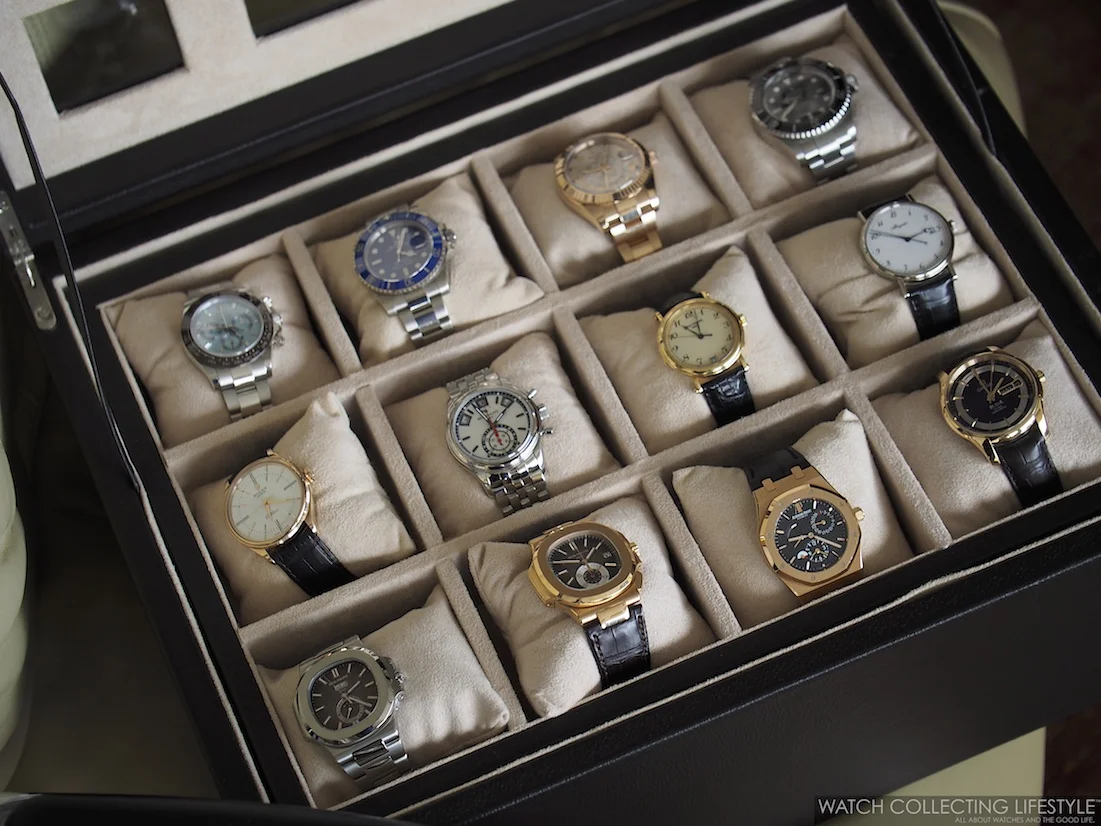
And when you do bring that first watch home, take five minutes to set up its provenance record on Provenary. Future you -- whether selling, insuring, or simply looking back at where the journey began -- will be glad you did.
The Provenary Editorial Team
Expert perspectives on the art and science of watch collecting, market analysis, and the stories behind the timepieces that define horological history.